How to Prevent Child Identity Theft


Child Identity Theft strikes children of all ages
Child identity theft is on the rise. The greatest increase has been seen in children under 5 years old but the reality is that child identity thieves are targeting children of all ages. This is because the personal information of young children is usually legitimate and less likely to be tainted. Additionally, using a young child’s identity enables identity thieves to remain undetected longer since many children do not use their social security numbers until they are adults.
Identity thieves come in many forms, from multiple sources and can even include a child’s natural family, a foster family or even those assigned to protect children. Identity theft can take a long time to resolve and can burden children and their parents with debt, effort and the expense required to resolve it.
A 2012 Child Identity Theft Report stated children were targeted 35 times more than adults in the past year. A study by ID Analytics found 140,000 children are victims of identity theft each year. Contrary to popular belief, a credit report is not the best way to detect if a child’s identity has been stolen. If clear credit reports do not necessarily mean an identity is clear, how can identity theft be detected? What can be done to avoid or prevent child identity theft? Read on for answers.
HOW TO PROTECT A CHILD’S IDENTITY
1. Guard each child’s Social Security number the way you should be guarding your own.
- Keep social security cards and records of social security numbers in a safe and secure location.
- Shred documents that have personal information including social security numbers on them (School, camp and extracurricular records, insurance forms, medical records, tax records, etc.)
2. Keep antivirus software current on all computers and mobile devices to prevent identity thieves from accessing personal information via phishing scams or computer viruses. Mcafee Total Protection works well for me but there are plenty of good programs to choose from.
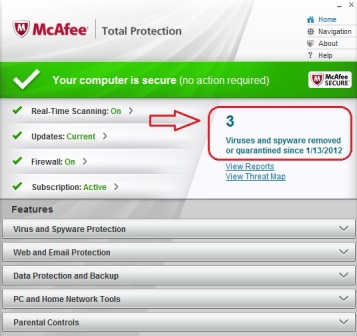
McAfee removed 3 Trojans from one of my computers
3. Use strong passwords that are not easy to guess and store them securely.
4. Use caution when downloading from the internet.
- Do not open or download content from sites you are not certain are trustworthy.
5. Be careful what you share on Social Media.
- Providing personal information like hometown, names and birthdays of your children can make your children more vulnerable to identity theft
6. Have occasional conversations with your children regarding internet safety and privacy.
- Teach them to behave on-line with the same guidelines you should be following yourself – maintain virus protection, be careful with social media, do not give out personal information and use caution when downloading.
- Teach children to create passwords and password hints that are difficult for others to guess.
7. Starting at a young age, verify your child’s social security number is not being used fraudulently.
- Request an annual free credit report. This step is a start but not enough to be assured a child’s identity is clear.
-

Major Credit Bureaus
Everyone is entitled to an annual free credit report from each of the major credit bureaus. It is important to understand that identity theft will only be detected if it is of a financial nature. (For example, a child’s social security number may be used with a different name and birth date in criminal or employment databases and this will not be picked up in a standard credit report)
-
- Request a free Manual Social Security number search from the major credit bureaus.
- Credit bureaus only monitor the credit of children that are 17 years or older, however, a manual search may allow representatives to detect if there is a credit history associated with your child’s number that does not belong to your child. (ie. someone used the child’s social security number with a different name or birth date)
- Since standard credit reports fail to detect 99% of child identity theft cases, make sure the search is done on the number only, and not on the child’s name.
- Obtain a free identity check from a trustworthy and reliable source.
- For example, AllClearID has partnered with TransUnion to provide a single instance of a free identity check and fraud cleanup. After the first usage, users can select to continue with the limited free service or to upgrade to a paid service.
-
Subscribe to a free internet monitoring service but be aware this is not likely to be comprehensive.
- For example, the free option at AllClearID provides internet surveillance including fraud detection but does not cover credit reports. However, it will notify the subscriber if it detects internet fraud such as an instance where hackers post usernames and passwords for sale on an internet site.
- Subscribe to a (paid) service* that monitors your information for identity theft and add your children so their information is monitored as well. Subscription rates usually include identity theft repair, if necessary.
-

No fair! Your ID is clean but mine has a big problem!
Lifelock costs about $110 per year for a basic subscription. Children can be added to an adult subscription for about $2.50 per month. Monitoring is comprehensive and extends beyond credit reports. Lifelock offers a premium service as well that is even more comprehensive and advisable for those that have had an incident of identity theft already
- AllClearID’s comprehensive paid option runs about $15 for adults and $5 for children.
-
- Identity Guard offers subscriptions ranging in price from $6-$24 per month. The less expensive plans are not comprehensive.
* Please complete careful research before signing up with any identity theft protection service, whether paid or free. What-is-Privacy.com makes no representations or warranties, express or implied, about the accuracy, reliability, suitability or availability of the identity theft services discussed in this article.
Do you know of any children identity theft situations that you’d be willing to share? Do you have input or experiences regarding specific identity theft protection services? Please join the conversation and tell us all about it. I’m looking forward to hearing from you.
Until next time,… Stay Cyber Safe!